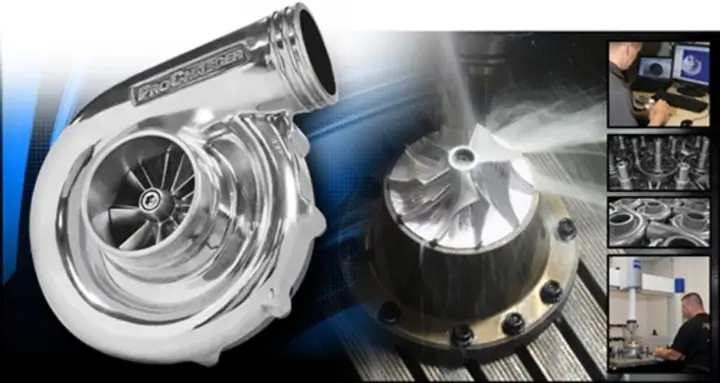
What is a supercharger?
A supercharger is a remarkable mechanical device that can transform the performance of an internal combustion engine by dramatically increasing its power output. By forcing a larger volume of air into the combustion chamber, a supercharger enables the engine to burn more fuel, resulting in a significantly more powerful explosion. This enhancement not only boosts horsepower but also improves overall engine efficiency. Unlike turbochargers, which rely on exhaust gases and can introduce lag in power delivery, superchargers are directly connected to the engine's crankshaft through belts, chains, or gears. This direct connection ensures that power is delivered instantly, providing an exhilarating driving experience with immediate throttle response. For those seeking to elevate their vehicle's performance to new heights, investing in a supercharger is a game-changing decision that promises to unleash the full potential of any internal combustion engine, making it an essential upgrade for performance enthusiasts and racers alike.
How Superchargers Work
A supercharger is a sophisticated air compressor that plays a crucial role in enhancing the performance of an internal combustion engine by significantly increasing the pressure and density of the air that is supplied to it. This innovative device works by forcing a larger volume of air into the combustion chamber, allowing the engine to burn a greater amount of fuel. The result is a more powerful explosion during each cycle, which translates into a substantial increase in both horsepower and torque. This enhancement not only improves acceleration but also elevates the overall driving experience, making it more exhilarating and responsive.
One of the key distinctions between superchargers and turbochargers lies in their method of power generation. While turbochargers utilize energy derived from exhaust gases to operate, superchargers draw their power directly from the engine's crankshaft. This mechanical connection is typically established through a belt, chain, or gear system. As the engine runs, it spins the supercharger, which then compresses the incoming air before delivering it to the intake manifold. This direct link ensures that the supercharger is always ready to provide additional power whenever needed, making it an ideal choice for those seeking immediate performance enhancements.
However, the process of compressing air does generate heat, which can negatively impact air density and ultimately limit the potential power gains. To address this challenge, ProCharger systems are equipped with an advanced intercooler—a highly efficient heat exchanger designed to cool the compressed air before it enters the engine. By lowering the temperature of the air, the intercooler increases its density, allowing for a higher concentration of oxygen molecules per unit volume. This not only promotes more efficient combustion but also maximizes power output, ensuring that drivers can fully harness the benefits of supercharging.
In summary, the integration of a supercharger into an internal combustion engine represents a powerful enhancement that can transform performance. With its ability to increase air density and improve combustion efficiency, a supercharger not only boosts horsepower and torque but also elevates the overall driving experience. For those looking to unlock the full potential of their engine, investing in a supercharger system is a decision that promises to deliver remarkable results and an exhilarating ride.